
Why Operational Continuity Is Critical in Digital Systems
Date: May 12, 2026
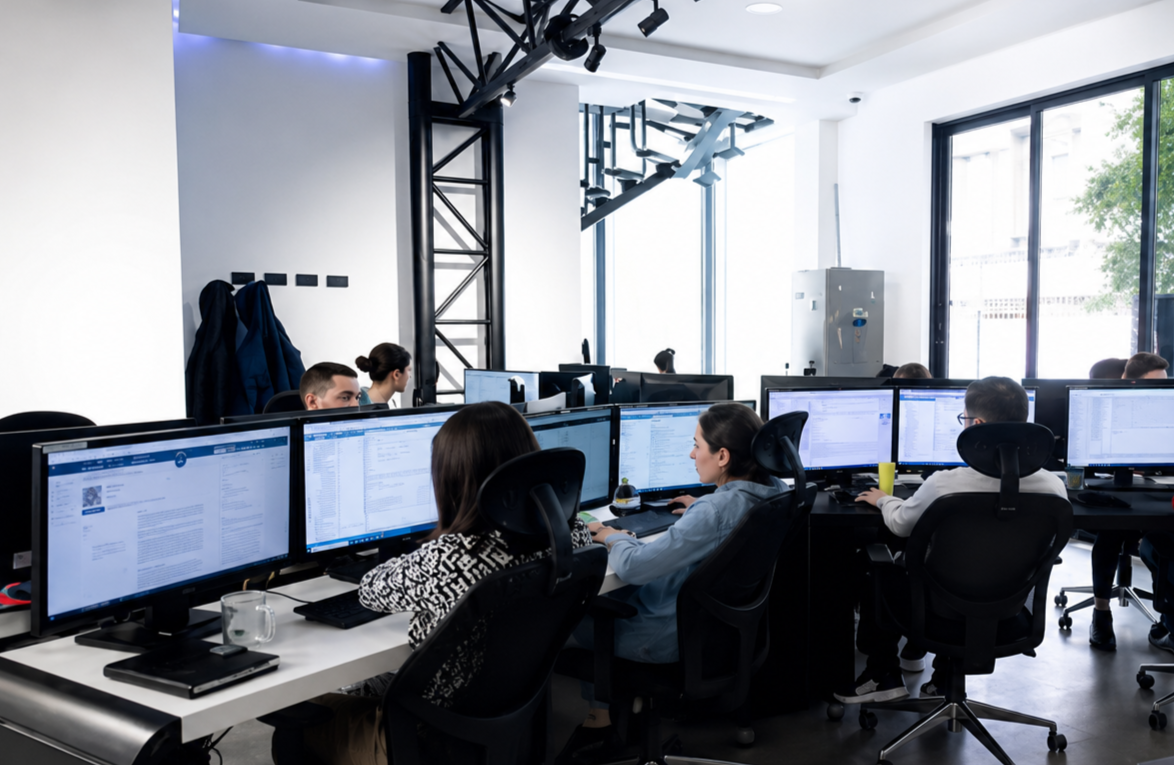
In modern systems, real value is no longer measured only by the functionalities they provide, but by their ability to operate continuously without interruption. As processes become increasingly digital, institutions, businesses, and users depend more heavily on the real-time stability of systems.
At this level, operational continuity is no longer just a technical objective. It becomes part of the daily processes that the system supports every day.
When systems become part of daily operations
Today, digital systems support processes that operate in real time and cannot be interrupted without directly affecting operations.
In systems with intensive usage, even a short disruption can impact process flow, access to services, and the continuity of operations that depend on the system itself.
For this reason, in the experience of Soft & Solution Group, operational continuity is treated as a critical part of both the system architecture and the way systems are managed in practice.
Operational stability in continuously operating environments
In systems operating every day, operational stability requires far more than basic monitoring or reactive intervention after problems occur.
It requires:
- continuous monitoring
- performance optimization
- load management
- rapid response to operational deviations
- the ability to implement changes without interrupting operations
In practice, this creates an operational structure where systems must continue functioning during optimizations, updates, and periods of high operational load.
Continuity as part of operational security
In many cases, the greatest risk for a system is not only related to cyberattacks or technical failures, but to operational interruption itself.
In continuously operating environments, the ability to maintain functionality under operational pressure becomes part of the system’s overall security and resilience.
For this reason, operational continuity is directly connected to how systems are designed, monitored, and managed in real time.
A structure designed for continuous operation
In the experience of Soft & Solution Group, systems are not treated as static products designed to function only under ideal conditions. They are built and operated with continuous usage, ongoing change, and long-term stability in mind.
This requires a combination of technical architecture, operational monitoring, and disciplined change management throughout the lifecycle of the system.
Operational continuity as a standard
As Ermal Beqiri, founder of Soft & Solution Group, explains:
“In systems used every day, the real challenge is not only building new functionalities. The challenge is maintaining operational continuity while the system continues to evolve, scale, and operate under real-world conditions every single day.”
Operational stability is not defined only by the technology used inside a system, but by the ability to keep the system functional, controlled, and reliable at every moment of operation.