
MFA Bypass Attacks: When Multi-Factor Authentication Is No Longer Enough
Date: November 9, 2026
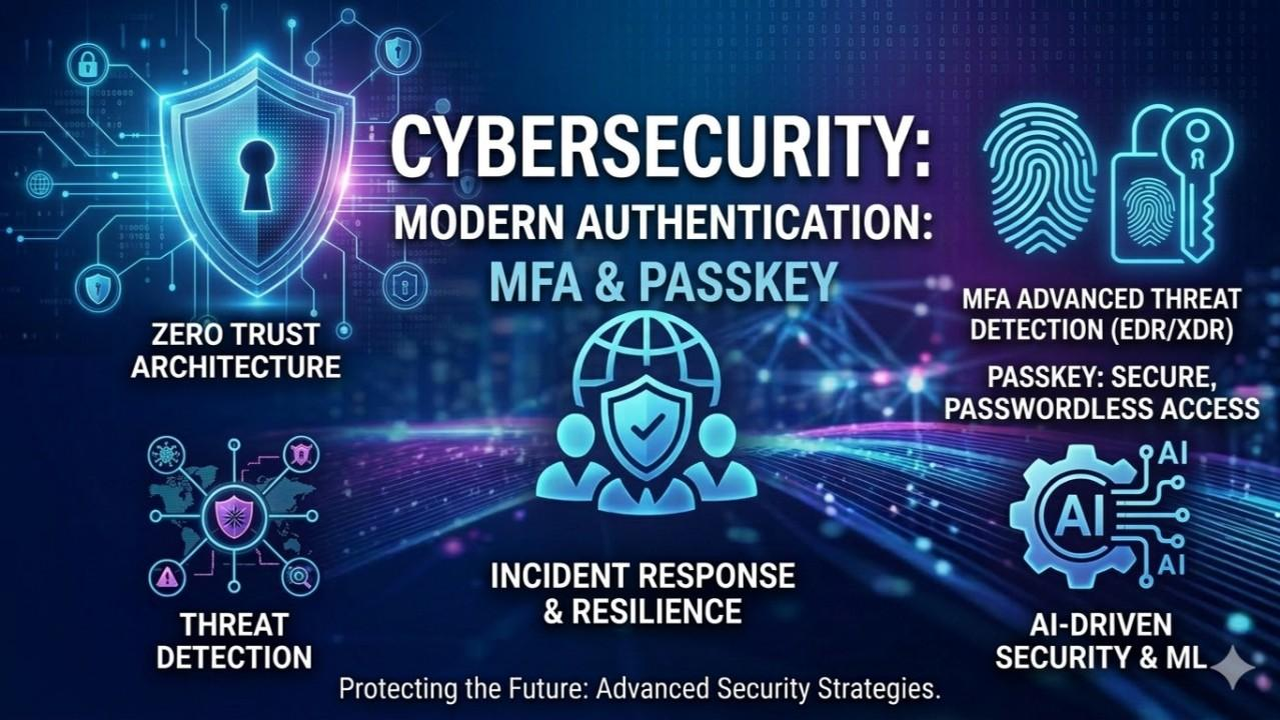
Multi-factor authentication (MFA) is one of the most important safeguards for digital accounts. It requires more than one proof of identity, such as a password combined with an app approval or a security key. However, adding a second factor does not make every sign-in process impossible to compromise.
MFA bypass attacks do not necessarily break the authentication technology itself. They often exploit the way users approve requests, new devices are enrolled, accounts are recovered, or sessions are maintained after sign-in. MFA remains a valuable security control, but its effectiveness depends on the method selected and how the entire process is configured.
For businesses, Soft & Solution Group recommends treating MFA as part of a broader identity-security strategy. Protection should cover the full access lifecycle: user enrollment, authentication, session management, account recovery, and the removal of access when it is no longer required.
What does bypassing MFA actually mean?
An MFA bypass occurs when an attacker gains access to an account or protected resource without completing the intended verification process legitimately. This may involve tricking a user, exploiting a weaker verification method, or obtaining a session that has already been authenticated.
It is useful to distinguish password compromise, bypassing an MFA challenge, and stealing a session token. Each can lead to unauthorised access, but the attack path and the controls needed to address it are different.
How do attackers try to get around MFA?
One common route is advanced phishing, including adversary-in-the-middle attacks. A user is directed to a fraudulent page that imitates a trusted service. The attacker relays the interaction and may attempt to capture credentials, one-time codes, or session data. Manually entered codes are more exposed to this type of attack than cryptographic methods bound to the legitimate website.
Another technique is MFA fatigue, sometimes called push bombing. A user receives repeated approval requests and may accept one simply to stop the notifications, particularly when an attacker applies pressure or impersonates support staff. Number matching in push notifications can reduce accidental approvals, but it does not replace phishing-resistant authentication.
Attackers may also exploit weaknesses in SMS and telephone-based verification, including unauthorised SIM swaps. SMS is weaker than cryptographic authentication because a code can be redirected or intercepted in certain circumstances. A separate risk is session or token theft after a legitimate sign-in, for example from a compromised device.
Weaknesses can also appear during account enrollment or recovery. If a help desk does not verify identity adequately, an unauthorised person may try to register a new authentication method or take control of an account. Misconfigured identity federation and outdated authentication protocols can create additional paths into business systems.
What warning signs should organisations watch for?
MFA prompts that a user did not initiate are an important warning sign. Organisations should also review notifications about a newly enrolled device or authentication method, sign-ins from unfamiliar devices or locations, unexpected changes in access rights, and unusual activity after a successful login.
Administrative accounts, email, VPNs, cloud platforms, and systems holding sensitive data deserve particular attention. A successful sign-in should not automatically be treated as safe when the session behaviour, device, or actions that follow appear suspicious.
How can businesses strengthen their protection?
The most important step is to move, where feasible, to phishing-resistant MFA, such as properly configured FIDO2/WebAuthn security keys and passkeys. These methods use cryptographic verification tied to the legitimate website or service, making them much harder to defeat with imitation pages. Administrative accounts and critical systems should require the strongest authentication method the organisation can support.
Where an immediate migration is not possible, businesses should use methods stronger than SMS, enable number matching for push approvals, and reduce unnecessary prompts. Enrollment and recovery processes should include strong identity checks, notifications when authentication factors change, and additional verification for high-risk requests.
MFA should be supported by risk-based access policies, managed devices, least-privilege permissions, and ongoing sign-in monitoring. Organisations should protect endpoints, keep systems updated, disable legacy authentication methods when they are not needed, and review identity logs for signs of session theft.
What should a company do if an MFA bypass is suspected?
When an incident is suspected, the organisation should temporarily restrict the affected account, revoke active sessions and tokens, reset credentials, and review the authentication methods registered to the account. It should also examine the user’s devices, recent activity, email rules, authorised applications, and any changes to privileges.
The response should be documented and escalated to the people responsible for security. Changing the password alone may not be enough if an attacker still has an active session or a registered authentication method. After recovery, the organisation should identify the root cause and close the gap that enabled the incident.
Conclusion: MFA is still essential, but it must be implemented properly
MFA bypass attacks show that security does not end when a second code is enabled. Protection requires strong authentication methods, secure recovery processes, protected devices, session controls, and continuous monitoring. MFA has not become obsolete; it must operate as part of a complete identity and access management system.
For businesses, the objective is to ensure that only authorised users and devices receive the right level of access at the right time. This approach makes account takeover harder and limits the impact of compromised credentials.
As Ermal Beqiri, founder of Soft & Solution Group, explains:
“MFA is an important layer of protection, but trust must be verified throughout the session — not only at the moment of sign-in.”