
How Technology Teams Influence the Stability of Long-Term Systems
Date: May 11, 2026
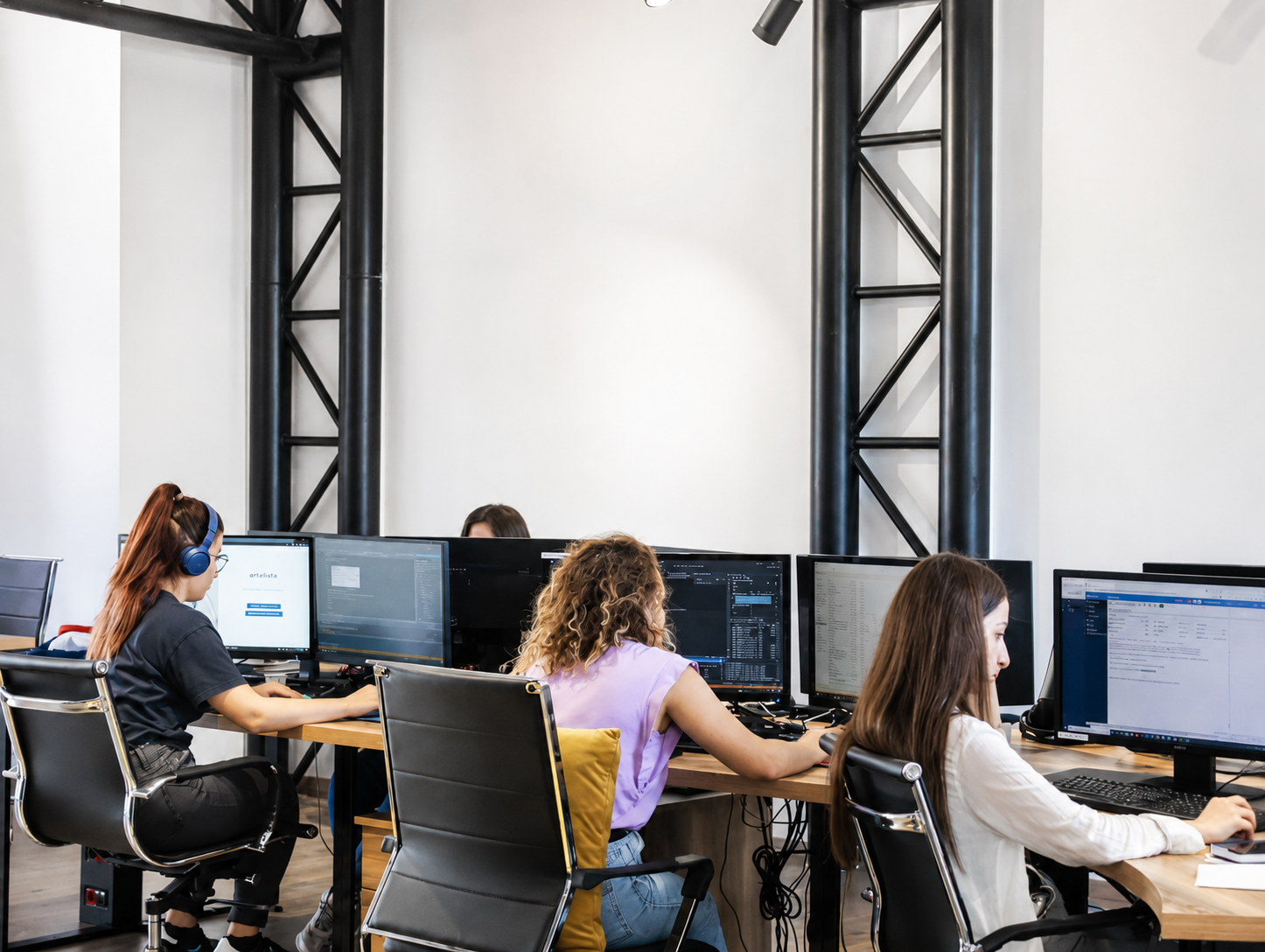
In systems that are used every day, stability does not depend only on technology or the architecture built at the beginning. Over time, the way a system is operated, monitored, and continuously improved becomes just as important as the technical structure itself.
At this level, the role of technology teams becomes critical. Long-term systems do not rely only on development, but on the team’s ability to maintain continuity, operational control, and stability throughout years of operation.
Stability is built through daily operations
In the experience of Soft & Solution Group, systems operating over long periods require continuous monitoring, controlled optimization, and rapid response to any operational deviation.
This requires teams that understand not only the system’s code and architecture, but also how the system behaves under real operational load and continuous usage.
In practice, stability is built through operational decisions made every day and through the team’s ability to maintain the balance between system improvement and uninterrupted operation.
The importance of team continuity
In long-term systems, team continuity has a direct impact on operational quality. Knowledge built over time, understanding of processes, and experience with real operational situations create a level of control that cannot be replaced by technical documentation alone.
For this reason, in the experience of Soft & Solution Group, knowledge sharing, structured processes, and long-term collaboration within teams are considered part of the system’s overall stability.
Development and operations as part of the same process
In systems with continuous usage, development does not function separately from operations. Every update, optimization, or new integration must be designed with performance, stability, and real operational usage in mind.
This requires teams that focus not only on technical implementation, but also on how the system will perform over time.
At this level, software development is not only about building new functionalities, but about maintaining continuity and operational stability throughout the entire lifecycle of the system.
Technology culture and long-term systems
Systems that remain reliable over time require more than individual technical expertise. They require operational culture, discipline, and a working model built around long-term responsibility.
In the experience of Soft & Solution Group, this culture is reflected in the way teams collaborate, manage changes, and support systems operating continuously every day.
An approach built on operational experience
As Ermal Beqiri, founder of Soft & Solution Group, explains:
“Behind every system that continues operating successfully for years is a team that understands it in depth, follows it closely every day, and continuously improves it over time. Long-term stability is built by people, by a culture of collaboration, and by the sense of responsibility with which systems are operated every day.”
Long-term systems reflect not only the technology behind them, but also the level of discipline, operational maturity, and experience of the teams supporting them over time.