
Green Computing: How Technology Is Becoming More Environmentally Friendly
Date: November 6, 2026
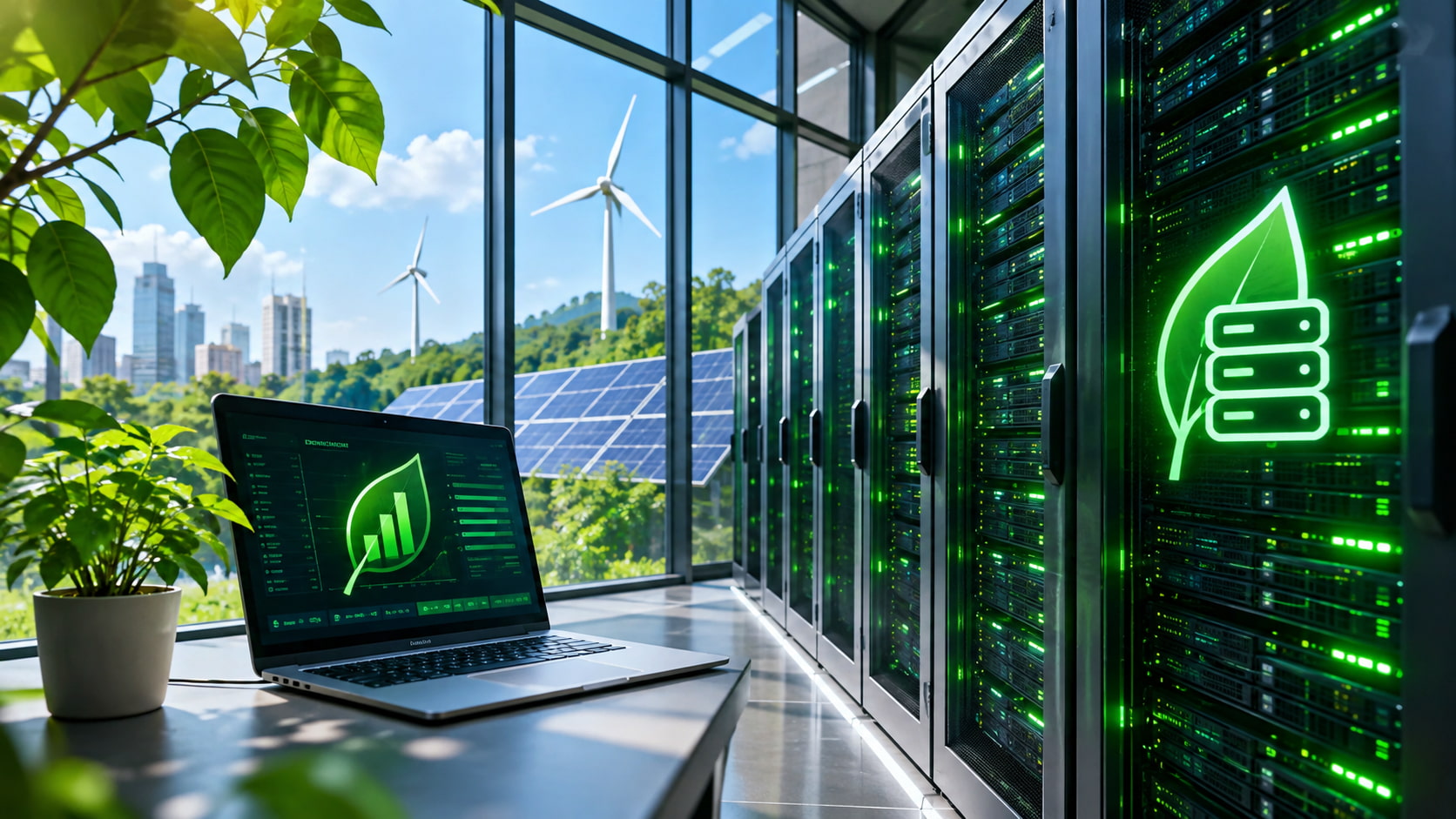
Technology is advancing rapidly, but the growing use of devices, data centers, and digital services also increases energy demand. Green Computing aims to make IT more sustainable by reducing environmental impact throughout the lifecycle of devices and systems.
This approach goes beyond electricity consumption. It includes the design, production, use, maintenance, and recycling of equipment, as well as how organizations manage their digital infrastructure. For businesses, Green Computing can deliver environmental benefits while optimizing operating costs.
For organizations seeking to improve the sustainability of their IT infrastructure, Soft & Solution Group recommends an approach based on measurement, planning, and efficient technology choices. The goal is not simply to use less energy, but to achieve better performance with more responsible use of resources.
Where can Green Computing be applied?
Data centers are one of the main areas of opportunity. Virtualization, server consolidation, and intelligent cooling systems can reduce energy consumption and use space more efficiently. Continuous monitoring helps organizations identify underutilized equipment and optimize workloads.
In everyday offices, energy-efficient laptops and monitors, power-saving settings, and better print management can also reduce consumption. Reusing, refurbishing, and recycling electronic equipment helps minimize waste and extend technology lifespans.
What makes technology more sustainable?
Green Computing is built on several principles. Energy efficiency focuses on devices and systems that perform more work with less power. Resource management optimizes servers, networks, and storage. Sustainable design considers equipment lifespan, repairability, and recyclability.
Cloud computing can also play a role when services move to optimized infrastructure and are managed according to demand. However, moving to the cloud does not automatically guarantee a lower environmental impact; outcomes depend on architecture, usage, location, and provider efficiency
Benefits and challenges
Green Computing can help lower energy bills, improve equipment utilization, and reduce electronic waste. It can also support corporate sustainability goals and raise employee awareness of responsible technology use
Challenges include upfront investment, measuring actual impact, and avoiding unnecessary equipment replacement. New equipment is not always the greener choice if manufacturing and transport create more impact than the energy saved during use. Decisions should therefore be based on data and lifecycle analysis
How can a company get started?
The first step is to audit IT infrastructure and measure energy consumption. Companies can then identify inefficient servers, older devices, excess capacity, and waste-generating processes. Goals should be measurable, such as reducing consumption, extending equipment life, or increasing recycling rates
A practical plan includes sustainable purchasing policies, regular maintenance, careful equipment use, and staff education. Monitoring results over time helps ensure improvements are continuous rather than temporary initiatives
Conclusion: technology performance with environmental responsibility
Green Computing is becoming an important part of digital transformation, connecting system performance with environmental responsibility. Through energy efficiency, resource management, and waste reduction, companies can build more sustainable infrastructure and better control costs
As Ermal Beqiri, founder of Soft & Solution Group, explains:
“Sustainable technology is not only about using fewer resources, but about creating systems that deliver greater value while respecting the environment and our responsibility to the future.”