
Digital System Security as a Continuous Operational Process
Date: May 14, 2026
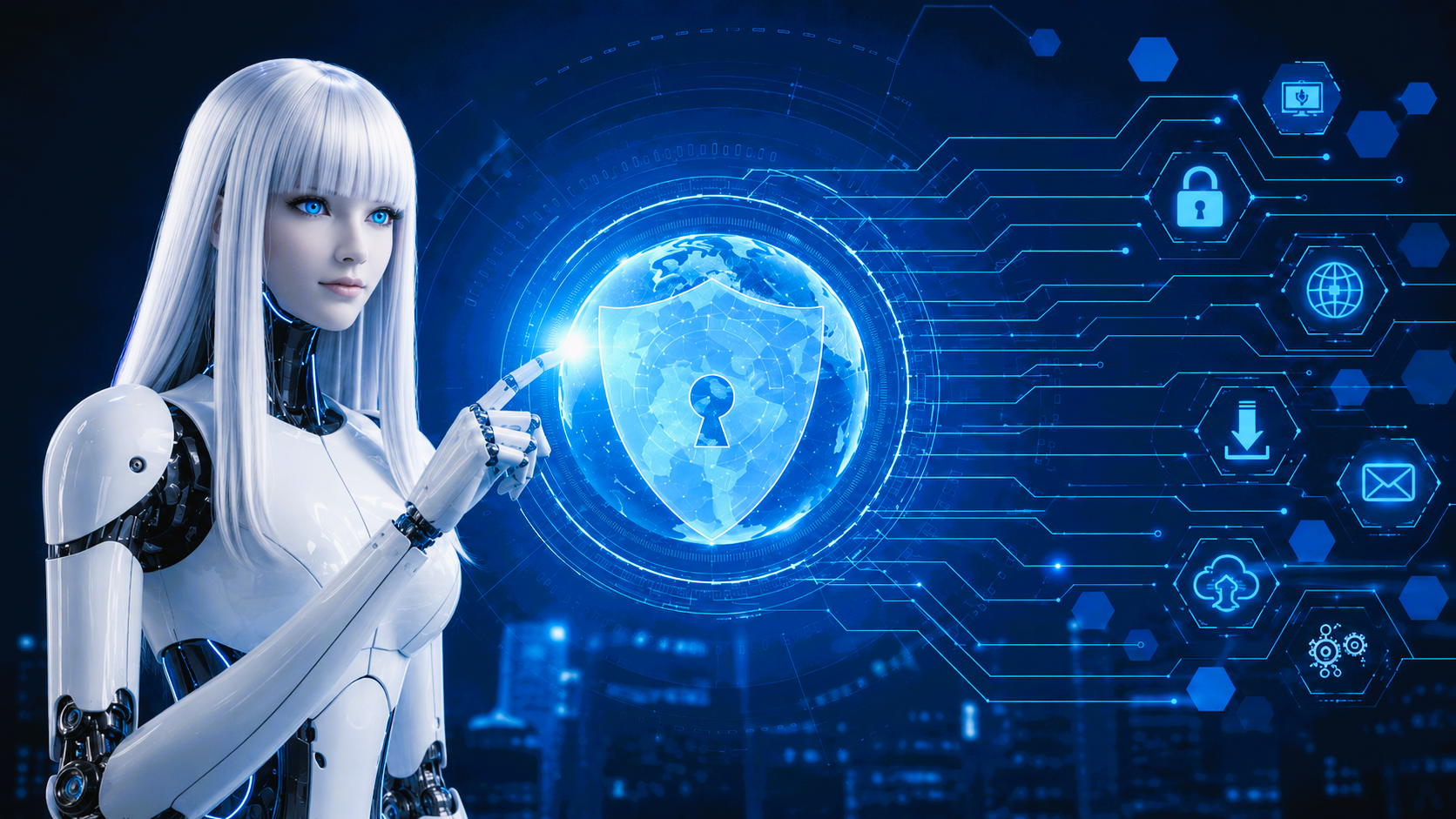
In digital systems used every day, security is part of how the system operates, not just a technical element added at the beginning. Every usage pattern, update, integration, or new change creates the need for continuous control, active monitoring, and protection mechanisms that remain functional at all times.
In this reality, cyber security is not only about preventing attacks. It is also about maintaining system stability, protecting data, and ensuring operational continuity at every moment.
Security is not a single layer
In many cases, security is perceived as one technical element, such as an SSL certificate, a firewall, or an initial configuration. In practice, real security is built through multiple layers that work together.
This includes secure communication, automatic backups, regular updates, continuous monitoring, and control over every change that takes place within the system.
In the experience of Soft & Solution Group, this approach is important because systems that operate every day cannot depend on a single protective measure. They require a security structure that works continuously in the background.
Monitoring as part of operational security
Monitoring is not only used to identify technical issues. It is part of operational security because it helps detect unusual behavior, performance deviations, and situations that may affect system functionality.
In continuously used systems, fast response is just as important as prevention. The earlier a deviation is identified, the greater the possibility of addressing it without affecting users or active processes.
Backups and updates as protection mechanisms
Automatic backups and regular updates are essential parts of digital system security. They are not just technical details, but mechanisms that support recovery, continuity, and long-term system protection.
In practice, a secure system is not one that never changes. It is one that is updated in a controlled way, keeps secure copies, and has mechanisms to restore functionality when needed.
Continuous auditing and technical control
Security also requires continuous auditing. This means that the system is not checked only at launch, but throughout its entire lifecycle.
Auditing helps identify vulnerabilities, verify configurations, control access, and assess how the system responds to changes. In this way, security becomes part of daily system management.
Security as an operational standard
At Soft & Solution Group, digital system security is directly connected to the way systems are operated every day. A secure system is not only one built with strong technology, but one that is continuously monitored, updated, audited, and supported.
This approach creates a more sustainable standard for systems that must operate without interruption and maintain trust over time.
An approach built on control and continuity
As Ermal Beqiri, founder of Soft & Solution Group, explains:
“In system security, the greatest risk is not only the attack that may happen, but the absence of continuous control over the system. A system that is not monitored, updated, and audited regularly gradually becomes exposed. For this reason, security should not be treated as a technical measure, but as a daily operational discipline.”
Digital system security is not built through a single measure. It is built through coordinated layers of protection, continuous monitoring, backups, updates, auditing, and technical responsibility at every stage of operation.