
AI Infrastructure Crisis: Why Demand for Memory and Servers Is Driving Up Technology Costs
Date: November 25, 2026
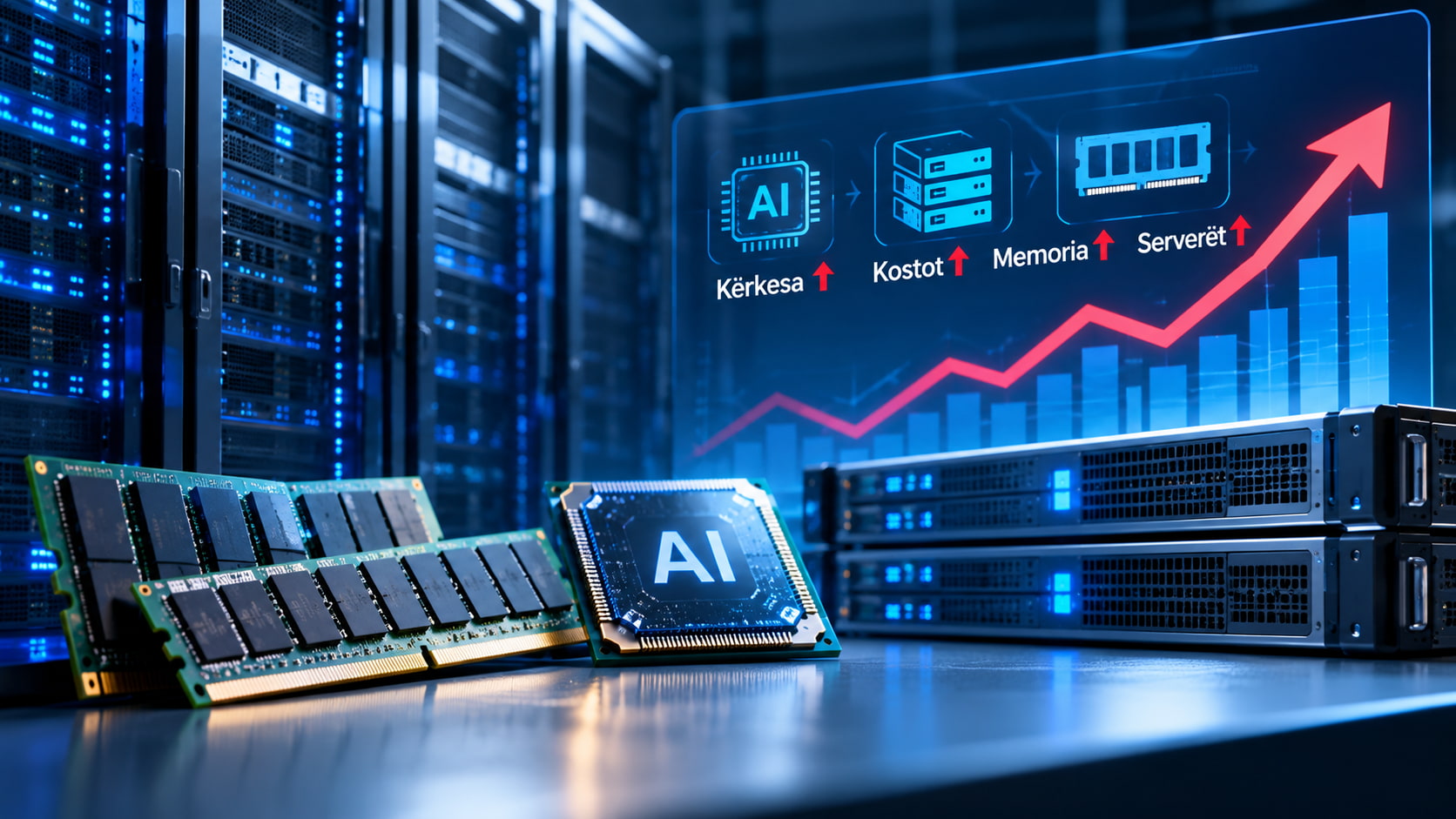
Artificial intelligence is driving a major expansion of data-centre infrastructure. As organisations deploy larger AI models and more demanding workloads, demand is increasing for high-performance servers, accelerators and advanced memory. This growth is creating pressure across the technology supply chain and making infrastructure planning more complex for businesses.
Memory is a particularly important part of this change. AI systems rely on high-bandwidth memory (HBM) and other advanced components to move large volumes of data quickly. At the same time, conventional DRAM is needed across servers, PCs and other devices. When manufacturers prioritise capacity for high-demand AI products, supply constraints and higher prices can affect the wider market.
For businesses, the issue goes beyond the purchase price of a server. Higher component costs can influence cloud service pricing, data-centre expansion, hardware refresh cycles and the total cost of running AI projects. Soft & Solution Group considers infrastructure planning and cost visibility essential as organisations increase their use of AI.
Why is demand for AI infrastructure increasing?
Training and operating advanced AI models requires substantial computing capacity. Companies are investing in GPU-based servers, high-speed networking, storage and power infrastructure to support model development and inference. The growth of generative AI and enterprise AI applications is adding to demand for data-centre capacity.
Why are memory components becoming more important?
Memory affects how quickly processors can access the data required for AI workloads. High-bandwidth memory is closely associated with advanced accelerators, while DRAM remains a core component in general-purpose servers and computers. Demand across these categories can compete for manufacturing capacity and packaging resources, contributing to supply pressure.
How can higher component prices affect businesses?
Rising prices for memory, accelerators and server components can increase the initial cost of building or expanding IT infrastructure. Organisations may also face longer procurement lead times or fewer configuration choices. These pressures can influence project budgets, cloud capacity decisions and the timing of hardware upgrades.
What is the impact on cloud and data-centre services?
Cloud providers and data-centre operators must continually invest in servers, networking, cooling and electricity. If equipment becomes more expensive or harder to source, the cost of expanding capacity can rise. The extent to which these increases reach customers depends on provider contracts, service demand, efficiency improvements and investment strategy.
How should companies plan their IT budgets?
Businesses should assess workloads before purchasing additional infrastructure, distinguish essential capacity from experimental projects and compare on-premises, colocation and cloud options. Forecasts should include hardware, energy, cooling, maintenance, software and support—not only the server purchase price.
Can optimisation reduce infrastructure costs?
Not every AI workload requires the largest available model or the most powerful hardware. Model selection, quantisation, batching, efficient inference, workload scheduling and removing unused resources can improve utilisation. Monitoring performance and cost per task helps teams decide where additional capacity is genuinely necessary.
What should IT leaders monitor?
IT leaders should follow memory and accelerator availability, server pricing, delivery times, cloud consumption and energy costs. They should also review vendor roadmaps and avoid relying on a single supplier for critical components where practical.
Conclusion: infrastructure strategy is becoming a business priority
The expansion of AI is increasing demand for servers, memory and data-centre capacity, putting pressure on technology budgets and procurement plans. Businesses cannot control global component markets, but they can make better decisions through workload assessment, supplier planning, utilisation monitoring and realistic total-cost calculations.
As Ermal Beqiri, founder of Soft & Solution Group, explains:
“The success of an AI investment depends not only on the model or software, but also on the infrastructure that supports it. Businesses need to plan capacity carefully, measure real usage and treat infrastructure efficiency as part of their long-term digital strategy.”